Eco-Friendly Disposable Tableware: A Closer Look at Wheat Straw and Bamboo Plates
As sustainability takes center stage across the globe, the food and restaurant industries are also transforming the way they handle packaging, serving, and disposables. One of the most important shifts has been toward eco-friendly disposable tableware, with alternatives to plastic becoming a priority for environmentally conscious businesses.
Two of the most popular biodegradable materials used today are wheat straw and bamboo. Both are gaining traction as sustainable resources, offering an earth-friendly solution for single-use plates, bowls, and cutlery. But which is better? Let’s explore the differences, benefits, and ideal uses of wheat straw vs bamboo plates, and what businesses need to consider before making a switch.
Understanding Eco-Friendly Tableware
Before diving into wheat straw and bamboo specifically, it’s important to understand why eco-friendly disposables matter.
Environmental Impact: Traditional plastic takes up to 1,000 years to decompose, and even then, it breaks into microplastics that harm wildlife and ecosystems.
Consumer Demand: A growing number of customers are seeking environmentally responsible businesses. Restaurants that use biodegradable or compostable tableware often have a stronger brand image.
Legislation: Many regions have implemented bans or restrictions on single-use plastics, making eco-disposables a necessity, not just a trend.
What is Wheat Straw Tableware?
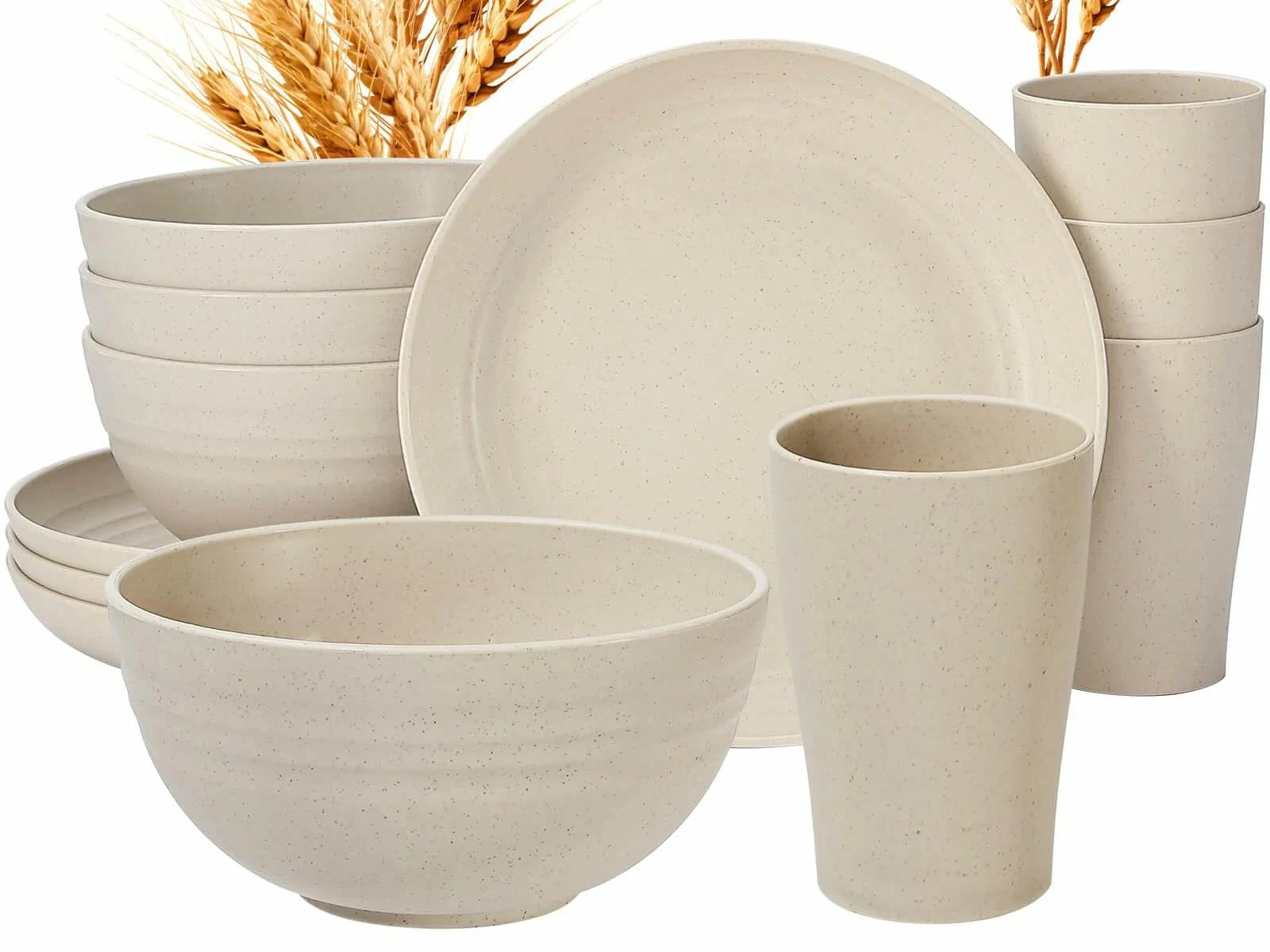
Wheat straw is the dry stalk left behind after wheat is harvested. Previously considered agricultural waste, it’s now being turned into plates, cups, and utensils.
Key benefits of wheat straw plates:
Biodegradable: Wheat straw is completely compostable and breaks down in about 3–6 months under industrial composting conditions.
Durable and Lightweight: These plates are surprisingly strong and can hold both hot and cold foods without warping.
Microwave and freezer safe: Most wheat straw tableware can be used in the microwave and freezer, offering versatility.
Non-toxic: No harmful chemicals or toxins are used in their production, making them food-safe.
Wheat straw is particularly attractive for businesses looking to minimize agricultural waste while offering sustainable options.
What is Bamboo Tableware?
Bamboo is one of the fastest-growing plants in the world, making it a highly renewable resource. Bamboo tableware is usually crafted from bamboo fiber or molded directly from the bamboo plant using pressure and heat.
Key benefits of bamboo plates:
Natural aesthetic: Bamboo plates often have a high-end, rustic look that enhances food presentation.
Sturdy and reusable: Unlike many disposable items, bamboo plates can sometimes be reused a few times before composting.
Antibacterial properties: Bamboo naturally resists bacteria, making it an excellent choice for hygienic serving.
Renewable material: Bamboo can grow up to 3 feet per day, making it one of the most sustainable resources available.
Comparing Wheat Straw vs Bamboo Plates
When comparing, each has its own advantages depending on the specific needs of your business.
| Feature | Wheat Straw Plates | Bamboo Plates |
| Sustainability | Made from agricultural waste | Fast-growing renewable resource |
| Aesthetic Appeal | Simple, neutral design | Premium, elegant appearance |
| Strength and Durability | Good for single-use; lightweight | Stronger, can sometimes be reused |
| Microwave/Freezer Safe | Yes | Yes |
| Biodegradable Timeframe | 3–6 months in compost | Up to 6 months, depending on thickness |
| Ideal Use | Cafes, fast food, takeaway packaging | Catered events, restaurants, upscale dining |
Choosing between the two often comes down to the image you want to project and how much durability you require. For instance, a quick-service restaurant might favor wheat straw plates for their affordability and disposability, while a farm-to-table bistro may prefer bamboo for its upscale look.
Why Restaurants Should Care
Sustainability in food service is no longer optional. As the environmental crisis deepens and consumers demand action, restaurants must be proactive in adopting green practices.
Here’s why switching to biodegradable tableware matters:
Reduces Landfill Waste: Compostable plates reduce the load on landfills and help regenerate soil.
Appeals to Eco-Conscious Consumers: Studies show that over 70% of diners prefer to support businesses that care about the planet.
Regulatory Compliance: Many cities and countries are banning plastic disposables. Getting ahead of the law can save you time and money.
Brand Reputation: Being environmentally friendly builds goodwill and loyalty among your customers.
Cost Considerations
At first glance, eco-friendly tableware can seem more expensive than plastic alternatives. However, the long-term savings in terms of customer loyalty, compliance, and waste management often make up for the initial investment.
Bulk Orders: Many suppliers, including AnzhuCraft, offer wholesale pricing that can make bamboo and wheat straw options affordable.
Reduced Disposal Costs: Compostable items often cost less to dispose of, especially when paired with a composting program.
Marketing Value: Promoting your green practices can act as free marketing.
AnzhuCraft – A Leader in Sustainable Tableware
If you’re a restaurant, catering company, or food vendor seeking a reliable source of eco-friendly disposables, AnzhuCraft is a name to know.
Based in China, specializes in sustainable tableware made from bamboo, paper, and wheat straw. Their product line is perfect for businesses looking to enhance their environmental commitment while maintaining functionality and design.
They offer:
Competitive pricing on bulk orders
International shipping
High-quality products certified for food safety
A wide variety of designs and sizes
Their guide on Wheat Straw vs Bamboo Plates is a must-read for anyone evaluating their options.
Real-World Applications
Many food establishments have already made the switch:
Food trucks and festivals: Where disposability is key, wheat straw plates are a low-cost, low-impact option.
Wedding caterers: Bamboo plates offer a stylish yet sustainable alternative to traditional dishware.
Corporate cafeterias: Large organizations are adopting biodegradable ware to meet CSR (corporate social responsibility) goals.
Eco-conscious cafes: Use of bamboo cutlery and wheat straw cups communicates a clear environmental message to patrons.
Final Thought
As the food industry continues to evolve, the focus on sustainability has never been stronger. Choosing between wheat straw and bamboo plates is more than just a purchasing decision—it’s a statement of values. By opting for biodegradable, compostable materials, restaurants and food service providers not only help protect the environment but also align with the expectations of the modern consumer.
If you’re seeking eco-friendly tableware that doesn’t compromise on quality or appearance, take the time to review trusted suppliers like AnzhuCraft. Whether it’s bamboo’s elegant appeal or wheat straw’s practical simplicity, both choices offer a path toward a greener, more responsible future in food service.