How to Respect Local Customs on Annapurna Base Camp
The Annapurna Base Camp Trek is one of the most famous high-altitude treks in the world, incorporating diverse natural beauty and allowing you to have cultural insights at its best. Kickass on this mythy, it’s positive to pass through hinterlands of Gurung and Magar comminaries and centurial customs, and next you will enter into the heart of Annapurna with people. To really enjoy this amazing adventure — from the meticulously planned Annapurna Base Camp Trek Itinerary to standing at base camp itself— it is important that you observe traditional local customs. And by honoring local practices, we’re serving up more than just a physical trial: your trek to Annapurna base camp is a real cultural exchange. Liable for making plans for, Annapurna Base Camp Trek. Treating your trek to Annapurna Base Camp with respect ijustly as crucial as packing your package and analyzing the Annapurna Base Camp Trek Map.
The journey’s not just a walk; it’s a crossing through a living cultural system. The sooner you come to understand that you are, in fact, on someone else’s trail (to be sure, not WAY CLOSE to “someone else’s trail” but still) and therefore will inevitably adapt the rules by which those who were here long before you did what they have done for century upon century. So a professional Annapurna Base Camp Trek Guide will certainly not miss supporting those aspects of culture on your trip.
Simple Greetings: Hello and thanks within the Karenni Burmese Language
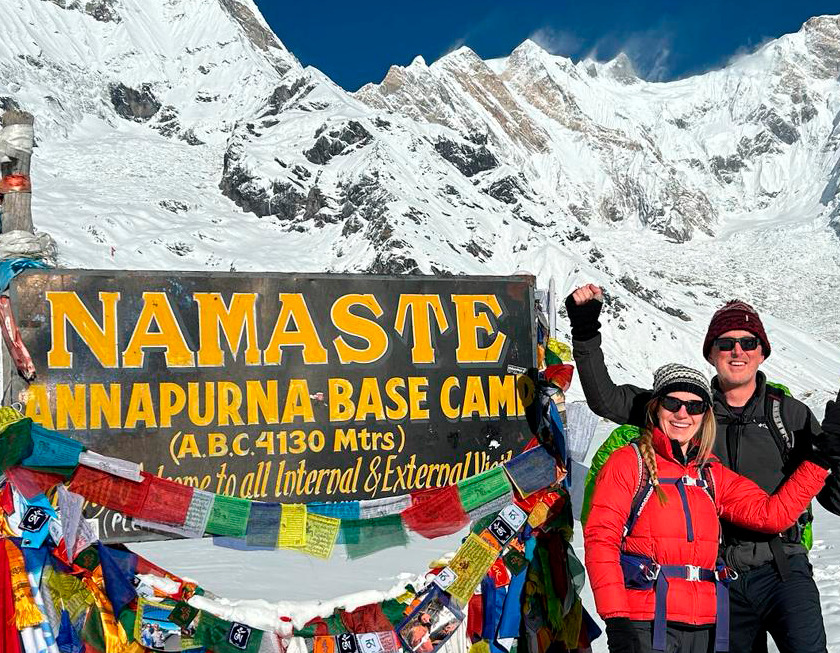
It’s one of the most effective, however, maximum genuine methods to reveal admiration: greeting a person in their native language. In Nepal, it’s “Namaste” or “Namaskar,” plus fingers collectively in the front of your chest with a small bow. It’s a way to recognize the interior meditation, and it signifies this very warm and universal sign of respect. A polite nod or a “Namaste” before you break out your camera can take you quite far. Avoid intrusion activity, especially where personal rhythms and homes are concerned. Just imagine the trek is your vacation, but it’s others day to day life, and they still manage to bring endearment each time we see them. That is what keeps it useful during the Annapurna Base Camp Tour.
Simplicity of Dress and Behavior
It can be hard work to live in such clothes, but dressing modestly is a small thing that can make a big difference – particularly to the more conservative villages. While hiking attire is mostly fine while you’re on the trail, it’s best to bring pants that cover your knees and a top with sleeves so that you can cover up to visit tea houses, pass through villages, or enter religious spaces. Stay away from wearing very revealing or tight clothing (too much skin, scandal, e..). Further, public show of affection, be it kissing and excessive hugging, is frowned upon in Nepali society, so try to avoid this. Since the head is considered sacred, you also should not touch anyone’, but especially a child’s, which is taken as an insult. Editing by Casey SturdivantFor a printable version of this article, click he.r e You will be respecting the sensibilitées of your Gurung and Magar hosts in which village you are passing through in your Trek To Annapurna Base Camp (in doing so). It’s a small touch that contributes to the positive image you cast for your neighborhood.
Buying Ethically and Locally
The ABC Trek Cost included some fees, which go towards supporting the Acap (the Annapurna Conservation Area Project); however, how much you are passing each day also has a highly weighted impact on economic development in your region. If you can, keep locally owned family tea houses rather than the larger corporate variety. Hiring an Annapurna Base Camp Trek local guide and Porters will not only make your trek safer, more comfortable but also benefit the local economy. And if you do buy souvenirs, support local artists directly. By reinforcing the community to do things consciously, your trekking adventure contributes to sustaining a cultural and lifestyle distinction. Annapurna Base Camp Trek price is more than permits; it’s this ethical meeting.
Stewardship Ethics and Leave No Trace
Respect for the culture is respect for the land that you depend upon. “Leave No Trace” is a simple tenet that’s all about reverence for the environment. All you non-biodegradable rubbish, take it home with you, and do not leave litter or throw anything into the loo containers where such exist. Try to limit your use of plastic, simply using water bottles and purification (be they tablets or filtration) as cleaner water and waste are always an issue in remote mountains. And don’t huddle round a wood fire just to keep warm and cook your food: devastating deforestation is one of the big eco problems; select tea houses that use other fuels. Following the Annapurna Base Camp Trek map signposted trails also aids in reducing erosion and interference with local farmlands. This sanctuary, all of us must be its guardians.
“Vulnerable” Picture Taking and Sharing with Your Kids
That said, you should always ask permission when taking photos of people or religious ceremonies/”sites”, or things which might be private property. Finally, consider what you are shooting – don’t treat people as things or curiosities. One more thing to possibly worry about: Whether to bring presents for children. Well-intentioned, the giving of money, pens, or candies can lull children into begging and reliance on tourists, which may supplant indigenous kinship economics. But if you are moved to give, the best way is through a local school, health program, or community effort that has some kind of track record. Annapurna Base Camp Trek – Your Guide, they will often help to provide guidance and counsel on the most responsible ways to effect change in the area and community.
Final Conclusion
It’s the use of those silly, childish, and yet deeply respectful gestures that make your odyssey much more than simply a case of ‘throwing some miles under your trainers’. Each encounter is an opportunity to be a gracious and grateful guest. With your detailed itinerary for the Annapurna base camp trek down to your last descent, each meeting can range from one of spoken appreciation exchange. Embrace the namaste mentality, patronize local families who open their houses and their food to you, and tread gently upon land they revere as holy. Within the technique, you are not only enriching your experience but also helping to protect the future of this super region. Pick out a reputable Annapurna Base Camp trek operator and take domestic memories that honor the mountains and the resilient locals.