The Journey of Fresh Produce: How Farm-to-Table Logistics Really Works
Most of us buy fresh fruits and vegetables without thinking much about how they got to the store. We grab a bag of apples or a box of lettuce and move on with the day. It feels simple, but the trip that produce takes is not simple at all. Every step needs the right handling, the right timing, and the right temperature. When each part works well, we get fresh food that tastes good and lasts longer at home.
This article walks through that journey in a clear and easy way. You will see how farms prepare produce, how trucks move it, how stores handle it, and how it finally reaches your kitchen. Temperature control helps at every point, and you will see why it matters so much.
1. Why Fresh Produce Needs Care at Every Step
Fresh produce needs a lot of care because it starts to break down as soon as it leaves the field. Fruits and vegetables lose moisture and texture if the air is too warm. They wilt or spoil fast if the temperature rises even a little. This is why produce falls under many of the types of cold chain products that depend on steady and cool conditions.
Farm workers cool produce right after harvest. This first cooling is important because it slows down changes that can harm flavor and freshness. When produce cools fast, it stays firm and bright. It also keeps its nutrients longer. Early handling has a big effect on overall quality.
Workers also sort produce at the farm. They remove items that are bruised or too soft. Any damaged item can speed up spoilage around it, so sorting protects the rest of the batch.
2. How Farms Prepare Produce for the Supply Chain
Once produce is harvested and sorted, the farm prepares it for the next stage. This includes washing, grading, packing, and storing. Each step has a purpose.
Washing removes soil and debris. It also helps lower the temperature a bit more. Grading helps packers decide which items are ready to ship and which items need to stay behind. Packing uses sturdy boxes or crates that support the shape of the produce. These boxes allow air to move around the items so the temperature stays even.
Many farms have cooling rooms that hold produce before pickup. These rooms keep the temperature low and steady. They help slow down changes in texture and keep produce crisp. The goal is to get produce into a controlled space as soon as possible.
3. Transportation That Protects Freshness
The next part of the journey is transportation. Refrigerated trucks pick up produce from farms and move it to distribution centers. These trucks use chillers to keep the inside at a set temperature. Drivers check readings throughout the trip so the load stays protected.
Timing matters here. The shorter the trip, the better the quality. Carriers plan routes that move quickly from farm to center. They avoid long stops. They also try to load and unload produce fast so it does not sit in warm air.
Drivers also watch how goods are arranged inside the truck. Air needs to circulate around the boxes. If they stack boxes too tightly, some areas may warm up. Even small changes in temperature can cause problems, so trained carriers stay alert at each step.
4. What Happens at Distribution Centers
Distribution centers play a major role in the supply chain. When trucks arrive, workers inspect the produce. They look at color, firmness, and smell. They reject items that show signs of spoilage. This protects the quality of products that will continue the journey.
Inside the center, produce goes into different temperature zones. Some items need colder rooms, while others stay better in cool but not freezing spaces. Workers store berries, lettuce, and herbs in cooler areas. They store tomatoes or citrus in slightly warmer rooms.
Distribution centers also sort produce again. They send different items to different stores based on demand. Workers repack items if needed. The goal is to move produce through the center as fast as possible. Long storage can lead to loss of freshness.
5. How Grocery Stores Handle Fresh Deliveries
When produce reaches the store, a new team takes over. Workers check the shipment to make sure nothing spoiled during transport. They move items to coolers or directly to shelves. They follow a simple rule that helps reduce waste. They place older stock in front and newer stock in back. This helps customers buy items that have less time left.
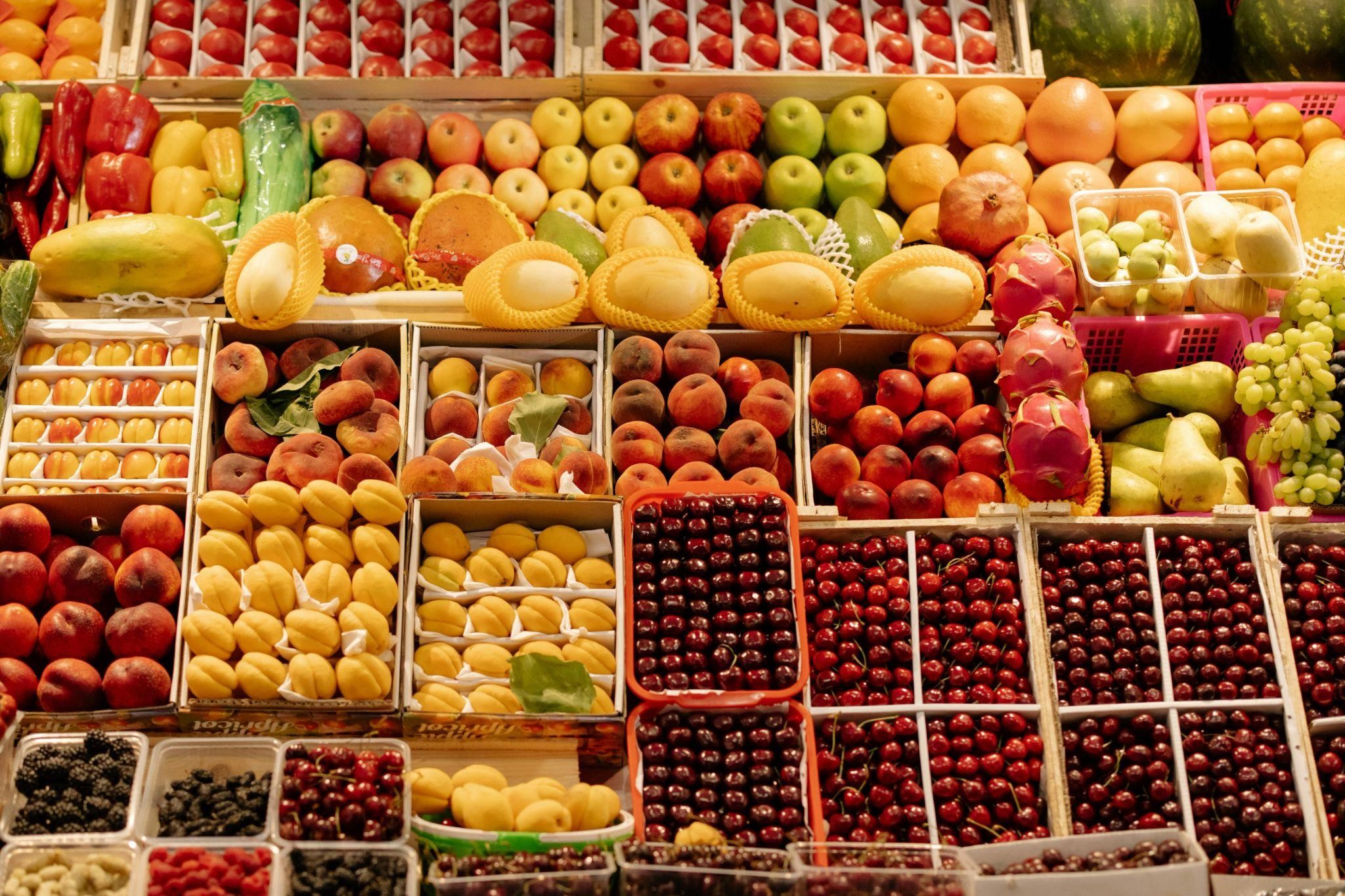
Stores also use tools that protect freshness. Misting systems help keep greens crisp. Coolers hold fruits that soften easily. Staff also monitor displays throughout the day. They remove anything that shows damage. A small bruise can spread if left too long.
Stores also plan their orders based on sales patterns. If a store knows customers buy a lot of apples on weekends, it orders more before those days.
6. The Final Step: When Produce Reaches the Customer
The final step in the farm-to-table journey happens at home. Customers play a big role in keeping produce fresh. Simple habits can help.
One tip is to place fruits and vegetables in the right spot in the fridge. Some items do better in high-humidity drawers. Others stay fresher in low-humidity spaces. Another tip is to keep ripe fruits away from items that spoil quickly. Ripe fruits release a gas that speeds up aging in some vegetables.
Using produce soon after buying it also helps. Fresh items do not last long if left out on a counter. Planning meals around what was bought helps reduce waste and keeps meals tasting fresh.
Fresh produce goes through many steps before it reaches the table. Each step needs attention, planning, and temperature control. Farms handle early cooling and sorting. Trucks move produce in chilled conditions. Distribution centers check quality and send goods to the right stores. Stores keep produce safe and appealing for customers. Every part matters. When the system works well, customers enjoy crisp, bright, and flavorful food.
Now that you know what goes into the farm-to-table journey, it becomes clear how much care supports every piece of produce we enjoy. From harvest to home, the process relies on quick action and steady temperatures. The next time you pick up fresh produce, you will know the long journey behind it and the teamwork that keeps it tasting great.