
Analyzing the Premier League Through Shots on Target Data
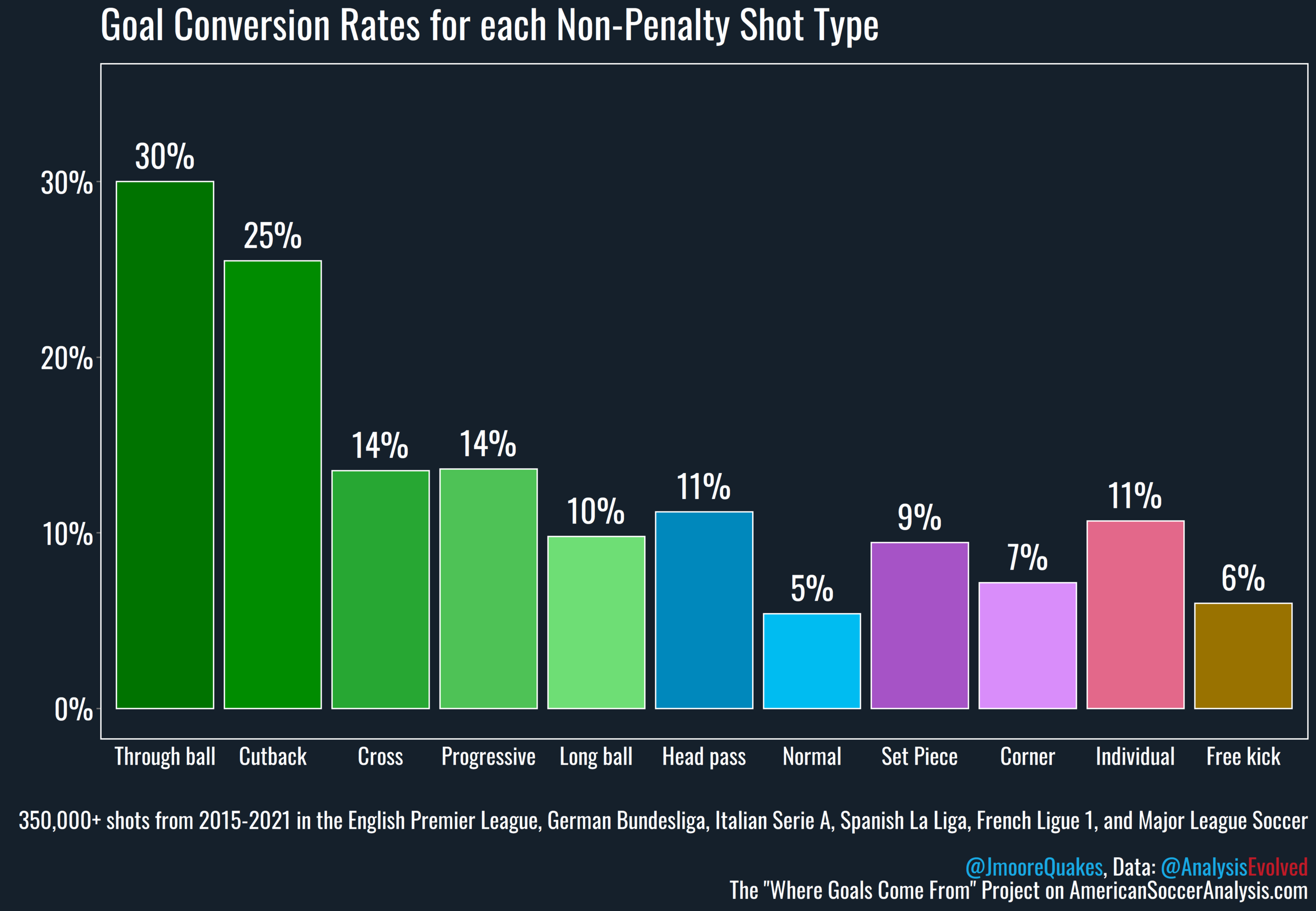
Shots on target offer a practical lens for understanding how Premier League matches actually unfold beyond final scores. While goals decide results, shots on target reflect sustained attacking pressure, defensive exposure, and the repeatability of scoring chances. This article analyzes the Premier League through shots on target data to explain why this metric reveals performance quality, how it behaves in real match situations, and where its analytical limits appear.
Why Shots on Target Matter More Than Total Shot Counts
Total shot volume often exaggerates attacking intent because it includes low-probability attempts from poor locations. Shots on target filter out much of that noise by focusing on efforts that force a defensive intervention from the goalkeeper or last defender. This distinction makes the metric more stable when evaluating team effectiveness.
In Premier League matches, teams that consistently register shots on target tend to control dangerous zones rather than rely on speculative shooting. Over time, this control correlates more strongly with points accumulation than raw shot totals. For analysis, shots on target serve as a bridge between chance creation and tangible scoreboard pressure.
How Shots on Target Reflect Match Control and Territory
Match control is not always visible through possession statistics alone. A team may dominate the ball without translating that control into credible threats. Shots on target reveal whether territorial advantage leads to meaningful penetration.
When one side repeatedly produces shots on target, defensive lines are forced deeper, clearances increase, and counterattacking opportunities multiply. These cascading effects reshape match flow and explain why sustained shots on target pressure often precedes late goals, even if early chances are missed.
Interpreting Offensive Efficiency Using On-Target Ratios
Offensive efficiency emerges when shots on target are evaluated relative to total attempts. A high on-target ratio indicates disciplined shot selection and structured buildup, while a low ratio suggests rushed decision-making or defensive disruption.
Before using this ratio analytically, it is important to understand what typically drives efficiency:
- Shot location consistency inside central zones
- Ball progression through structured passing rather than crosses
- Forward movement synchronized with midfield support
After identifying these drivers, analysts can separate teams that generate repeatable threat from teams benefiting from short-term finishing streaks.
Defensive Exposure Revealed by Shots on Target Conceded
Shots on target conceded provide clearer insight into defensive vulnerability than goals allowed. Goal counts fluctuate due to goalkeeper form and finishing variance, but repeated on-target concessions indicate systemic issues.
Teams that allow frequent shots on target usually struggle with spacing between defensive lines or fail to control transitions. Over a season, this exposure increases fatigue and error rates, making results less stable even when short-term outcomes appear acceptable.
Comparing Teams Using Shots on Target Profiles
Comparative analysis becomes more reliable when shots on target are viewed as profiles rather than isolated numbers. The table below outlines how different team types typically appear through this lens.
| Team Profile | Shots on Target For | Shots on Target Against | Match Stability |
| Title contenders | High | Low | Consistent |
| Mid-table control teams | Medium | Medium | Moderate |
| Reactive counter teams | Low | Medium | Volatile |
| Struggling teams | Low | High | Unstable |
These profiles help explain why league position alone often fails to predict future performance without underlying shot data context.
Situational Factors That Distort Shots on Target Data
Shots on target are influenced by context, and ignoring situational factors can lead to false conclusions. Match state, opponent behavior, and scheduling pressure all affect shot patterns.
The most common distortions include:
- Early goals forcing one-sided pressure
- Red cards inflating late shot counts
- Fixture congestion reducing shot quality
After accounting for these conditions, shots on target regain analytical clarity and become more predictive of underlying performance rather than surface events.
When Shots on Target Lose Predictive Power
Shots on target lose reliability in matches dominated by low blocks and late-game chaos. In these situations, teams may accumulate on-target attempts from poor angles without genuinely increasing scoring probability. Recognizing these patterns prevents overestimating attacking strength based on volume alone.
Using Shots on Target Data in Analytical Platforms
Modern analytical environments make it easier to contextualize shots on target alongside complementary indicators. Within systems such as ufabet win, shots on target statistics are often displayed next to possession metrics, match odds, and historical trends, allowing users to assess whether pressure translates into market expectations. In this type of digital infrastructure, analysts can observe when teams consistently outperform or underperform relative to on-target production, highlighting discrepancies between match behavior and perceived strength. This contextual visibility supports more disciplined interpretation rather than isolated stat reading.
Risks and Misinterpretations of Shots on Target Analysis
Despite its usefulness, shots on target should not be treated as a standalone truth. Some teams prioritize shot quality over quantity, resulting in fewer on-target attempts but higher conversion rates. Others deliberately allow low-danger shots on target to protect central areas.
Additionally, goalkeeper quality can mask defensive problems or inflate attacking metrics. Without integrating contextual and structural analysis, shots on target data can mislead rather than inform.
Summary
Analyzing the Premier League through shots on target data provides insight into attacking pressure, defensive exposure, and match control that final scores often conceal. This metric captures repeatable behaviors that explain why teams sustain results or regress over time. When interpreted within match context and combined with structural understanding, shots on target become a powerful tool for evaluating true performance rather than temporary outcomes.