
The Convergence Ecosystem: Next-Gen Consoles and Premium Slot Experiences
Digital entertainment isn’t what it used to be. I’ve watched it shift — pretty dramatically — from something you passively consumed on a couch to something that pulls you in, responds to you, and honestly starts to feel like it knows you. The video game industry and the iGaming sector used to exist in completely separate worlds. Now? Those walls are coming down fast. Advanced hardware, streaming infrastructure that actually works, and smarter algorithms are all pushing toward the same destination: a unified entertainment ecosystem. Whether I’m dropping into an open world on a home console or spinning through an interactive digital casino, the tech underneath is increasingly the same engine. Understanding that convergence is how you start to see where all of this is heading.
What Defines the Next Generation of Gaming Platforms?
It comes down to custom hardware — specifically rapid storage and advanced processing — that makes ray tracing, near-instant load times, and high-fidelity interactive entertainment possible without the sluggishness that plagued older console generations. That’s the short version. The longer version is more interesting.
At the center of this hardware shift are machines like the PlayStation 5 (PS5) and the Xbox Series X. Both run custom AMD Zen 2 CPUs paired with RDNA 2 GPUs, and the visual output is genuinely different from what came before. But the piece that changed everything for me wasn’t the GPU — it was the NVMe SSD. Loading screens are basically gone. Developers can now build massive, unbroken worlds because the bottleneck that used to force seams and load pauses simply doesn’t exist anymore. That’s what lets next-generation gaming platforms push spatial audio and real-time lighting into territory that felt impossible five years ago.
Mid-cycle upgrades like the PS5 Pro keep doubling down on sustained frame rates and advanced rendering — which tells you where the priorities are. And here’s what most players miss: next-gen isn’t really about graphics. The underrated win is backward compatibility. Your existing library travels with you, and the hardware footprint keeps shrinking. That’s a practical benefit that doesn’t get nearly enough credit — and I’d argue it matters more day-to-day than any ray tracing showcase.
How Are Cloud Ecosystems Transforming Player Access?
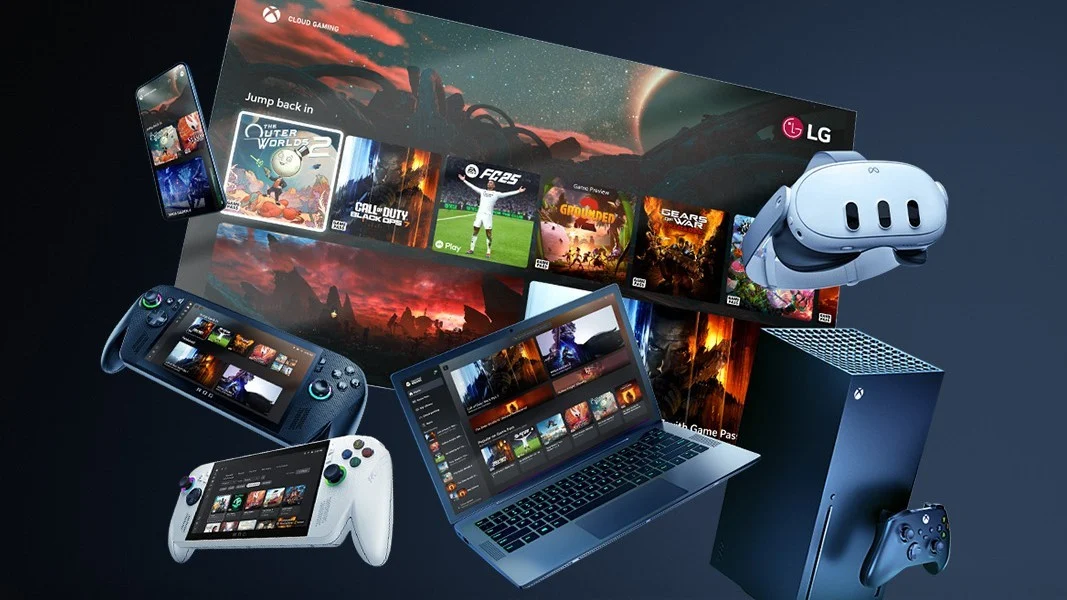
Cloud ecosystems cut the hardware requirement entirely. Stream AAA games to any internet-connected device — phone, tablet, smart TV — through device-agnostic subscription models. Physical media becomes irrelevant. That’s the pitch, and it’s mostly accurate.
The upfront cost of a console has always been the wall that kept people out. A solid cloud gaming ecosystem removes that wall. Xbox Game Pass and xCloud let players stream demanding titles to whatever screen is nearby. PlayStation Plus has expanded its own streaming tiers to stay competitive. The honest trade-off is worth naming: cloud gaming for accessibility means accepting real dependence on your connection’s stability. Latency is still the primary problem for anything competitive or cross-platform. That’s not a dealbreaker for everyone, but it’s not nothing either.
Still, the ability to skip the console entirely is reshaping how publishers think about distributing Live Service Games — and that shift is already well underway. I think we’re past the point of asking whether cloud gaming is viable. The question now is how fast the infrastructure catches up to the ambition.
The Convergence Ecosystem: How Premium Slots Borrow AAA Gaming Mechanics
Premium slot experiences have started pulling directly from the AAA gaming playbook — skill-based bonus rounds, branching narratives, high-definition graphics that used to belong exclusively to console releases. The gap between a classic online casino and a modern console game is narrowing in ways I didn’t expect even a few years ago.
Today’s premium slot experiences aren’t the flat, two-dimensional fruit machines from early online casinos. Exploring a Gold King demo reveals how advanced these games have become, with some even built on the same Unreal Engine technology powering blockbuster console titles. Developers are layering in player progression systems, unlockable achievements, and actual storytelling. It’s a real shift — not cosmetic. The core RNG (Random Number Generator) mechanics stay intact, because fairness isn’t negotiable. But the visual and interactive layer wrapped around them now mimics high-end video games closely enough that the distinction starts to blur. That’s not accidental. It’s a deliberate design choice aimed at player retention, and it’s working.
How AI Personalizes the Modern Digital Casino Floor
AI personalizes the digital casino floor by reading player behavior in real-time — adjusting game recommendations, tweaking bonus frequency, customizing visual themes on the fly. Machine learning tracks preferences across sessions, so the online casinos I visit, such as Retrobet Australia, start to feel shaped around how I actually play rather than built for some generic average user.
The AI-driven NPC behavior and dynamic environment scaling that come out of this make the experience feel genuinely different from a traditional brick-and-mortar floor, where nothing adapts to you at all. It’s the kind of personalization that used to require a dedicated host at a physical casino — now it runs quietly in the background, every session.
Beyond the Screen: How VR and Spatial Computing Unite iGaming and Consoles
VR and spatial computing are building shared, three-dimensional spaces where players physically interact with their environments. Devices like the Apple Vision Pro and Meta Quest 3 can turn a living room into an immersive casino floor or a 360-degree game world. That’s not a future concept anymore — it’s available now, even if adoption is still early.
The move from flat screens to Spatial Computing feels like the most significant leap in digital entertainment I’ve seen. The PlayStation Portal handles remote traditional play well enough, but true VR and AR headsets deliver something different — a sense of scale and physical presence that a screen can’t replicate. In iGaming, VR casinos let players walk the floor, sit at virtual high-roller tables, and interact with live dealers in a way that actually feels spatial.
The hardware has finally caught up to the ambition. Blending the tactile feedback of the DualSense controller with the visual immersion of a modern headset produces something that neither industry could have built alone — and that combination is only going to get tighter as the platforms converge further.
What Is the Future of Player-Driven Digital Economies?
Player-driven digital economies are moving toward live service models and cross-platform ecosystems that give users real ownership of their in-game assets and progress. The goal is long-term engagement — rewarding both time and financial investment across console gaming and online digital entertainment.
Closed ecosystems are becoming a harder sell. Whether I’m grinding for gear in a console RPG or building up loyalty points in a digital casino, the expectation now is that my digital footprint travels with me across platforms. Interoperability isn’t a bonus feature — it’s becoming the baseline. This player-driven direction, backed by secure data practices and transparent mechanics, is what I think shapes the next decade.
Microsoft, Sony, and the major iGaming developers are all pushing in the same direction. And the consumer ends up winning — a borderless, genuinely personalized entertainment world that doesn’t ask you to start over every time you switch screens. That’s where this is going. Maybe not all at once, but the trajectory is clear enough that I’d bet on it.