From Kitchen to Wellness: The Power of Turmeric & Cardamom
For centuries, kitchens worldwide—especially in South Asia—have held more than just ingredients for delicious meals. They’ve served as the first line of defense against illness, with natural spices like turmeric and cardamom leading roles. Today, science is catching up with tradition, confirming what our ancestors knew: turmeric and cardamom aren’t just flavorful but powerful wellness tools.
The Golden Spice: Turmeric
What is Turmeric?
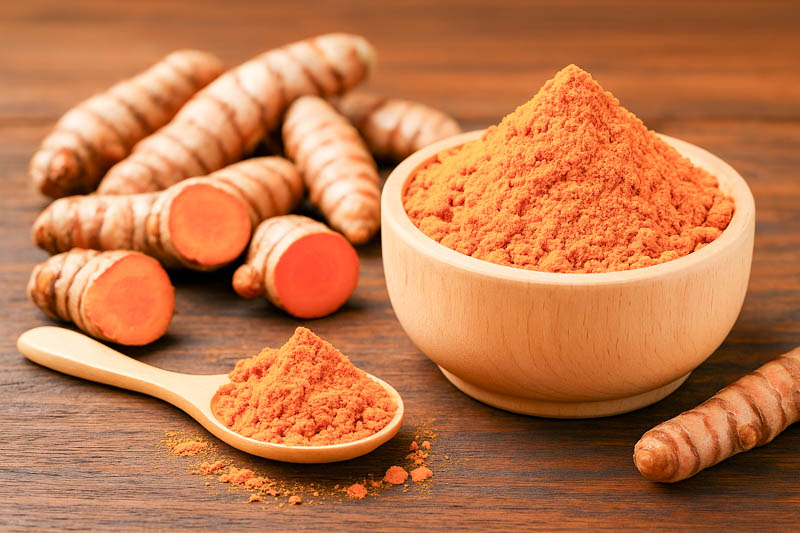
Turmeric is a vibrant yellow-orange root from the Curcuma longa plant, part of the ginger family. While it’s best known for giving curry its golden hue, turmeric’s active compound, curcumin, is where the real magic lies.
Health Benefits of Turmeric
- Anti-Inflammatory Properties: Curcumin has potent anti-inflammatory effects. Turmeric powder is so powerful that it matches the effectiveness of some over-the-counter anti-inflammatory drugs, without the side effects.
- Antioxidant Boost: Turmeric helps neutralize free radicals and stimulates the body’s antioxidant enzymes.
- Joint and Muscle Support: Studies have shown turmeric may reduce symptoms of arthritis and muscle soreness, making it a favorite among athletes and those with chronic joint pain.
- Brain Function & Mood: Curcumin increases Brain-Derived Neurotrophic Factor (BDNF), a growth hormone that functions in the brain. This may help delay or even reverse brain diseases and age-related decline.
- Heart Health: Curcumin can improve the function of the endothelium, the lining of your blood vessels, reducing the risk of heart disease.
- Digestive Aid: Turmeric has traditionally been used to relieve bloating and improve digestion.
How to Use Turmeric
Turmeric can be enjoyed in:
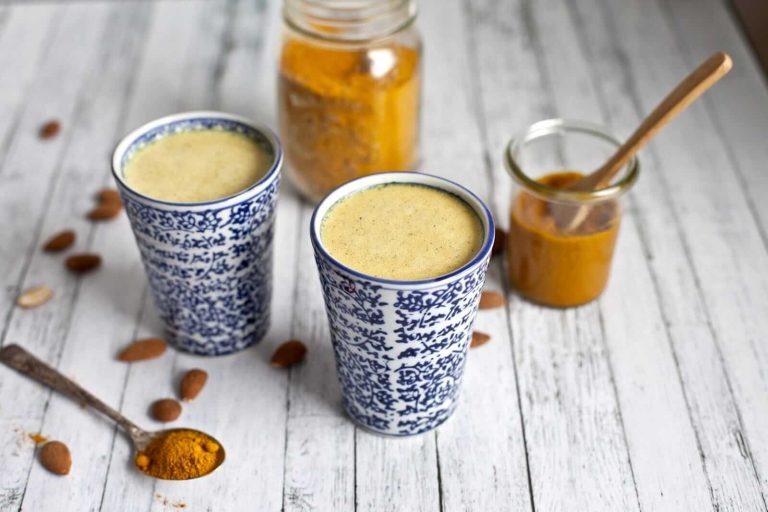
- Golden milk (turmeric latte)
- Curries and soups
- Smoothies
- Supplements (make sure they include black pepper for better absorption)
The Queen of Spices: Cardamom
What is Cardamom?
Cardamom is a sweet, aromatic spice from the seeds of plants in the ginger family. Known as the “Queen of Spices,” it’s commonly used in sweet and savory dishes, especially in Indian, Middle Eastern, and Scandinavian cuisines.
Health Benefits of Cardamom
- Digestive Health: Cardamom pods are known for their carminative properties, which help relieve gas, bloating, and indigestion.
- Detoxification: Cardamom acts as a natural diuretic, aiding the body in flushing out toxins and excess water.
- Oral Health: Chewing cardamom seeds, due to their antimicrobial properties, can help fight bad breath and improve oral hygiene.
- Antioxidant and Anti-Inflammatory: Like turmeric, cardamom is rich in antioxidants and helps reduce inflammation.
- Blood Sugar Control: Some studies suggest cardamom may help lower blood sugar levels and improve insulin sensitivity.
- Mood & Mental Clarity: The sweet aroma of cardamom has been used in traditional medicine to ease anxiety and improve mood.
How to Use Cardamom
Cardamom can be enjoyed in:
- Masala chai (spiced tea)
- Baking (cakes, breads, cookies)
- Rice dishes like biryani or pilaf
- Herbal teas and elixirs
- Smoothies and oatmeal
Why Pair Turmeric and Cardamom?
While each spice has powerful effects on its own, pairing turmeric and cardamom can amplify their benefits:
- Flavor Balance: The warm bitterness of turmeric is beautifully complemented by cardamom’s sweet, aromatic tones.
- Holistic Wellness: Together, they support digestion, reduce inflammation, enhance mental clarity, and improve overall vitality.
- Cultural Wisdom: Many traditional Ayurvedic recipes, including tonics and teas, combine these two spices for their synergistic healing properties.
Beyond the Kitchen: Turmeric & Cardamom in Modern Wellness
While turmeric and cardamom have long been staples in traditional medicine systems like Ayurveda and Traditional Chinese Medicine (TCM), they are now embraced in modern wellness practices worldwide. This shift isn’t just about food—it’s about a broader recognition that nature offers powerful tools for health.
Supplements and Extracts
High-quality supplements can be a convenient alternative for those who don’t regularly cook with these spices. Curcumin supplements (often combined with piperine from black pepper to boost absorption) are available in capsule or tincture form. Cardamom is also found in digestive blends, detox teas, and essential oils.
In Skincare
Turmeric’s anti-inflammatory and antibacterial properties make it a favorite ingredient in natural skincare. It’s used in face masks, serums, and soaps to help treat acne, calm irritation, and brighten the skin. Cardamom’s antiseptic qualities and strong aroma make it a unique addition to beauty products like scrubs and body oils, offering skin-soothing and aromatic benefits.
In Mental Health and Aromatherapy
The scent of cardamom is thought to promote clarity, reduce stress, and enhance mood. Inhaling its essential oil or adding it to a diffuser may help with relaxation and focus. Meanwhile, turmeric’s role in supporting brain health through increased BDNF levels is increasingly studied for its potential in mood disorders, such as depression.
Cultural Significance and Timeless Traditions
Both turmeric and cardamom have deep cultural roots, especially in South Asia and the Middle East. For centuries, these spices have been used in daily rituals, traditional remedies, and even spiritual practices.
Turmeric in Tradition
In Indian culture, turmeric is considered auspicious. It’s used in weddings, religious ceremonies, and rituals to purify the body and surroundings. A paste made from turmeric and water is often applied to the skin before major celebrations for its symbolic purity, brightening, and cleansing properties.
Turmeric is also an essential ingredient in Ayurveda, where it is classified as a tridoshic herb, meaning it balances all three body types (Vata, Pitta, and Kapha). It’s believed to cleanse the blood, improve skin health, and enhance overall vitality.
Cardamom in Cultural Heritage
Cardamom has long been a prestige ingredient in Middle Eastern, Indian, and Nordic cuisines. In Arab culture, cardamom is often used to flavor coffee—qahwa—and is offered as a gesture of hospitality. In Ayurveda, cardamom is used to balance digestion and relieve respiratory conditions.
Conclusion
In an era when health is increasingly viewed through a holistic lens, turmeric and cardamom stand out as affordable, accessible, and time-honored allies. Their benefits are not limited to ancient rituals or exotic cuisines—they can be seamlessly integrated into the modern lifestyle.
These spices encourage us to slow down, savor our meals, and use food as a foundation for wellness. Whether seeking digestive support, anti-inflammatory relief, mental clarity, or more decadent flavors in your meals, turmeric and cardamom offer a natural, sustainable path forward.