Breaking Down the Best Kinds of Foodie Freebies
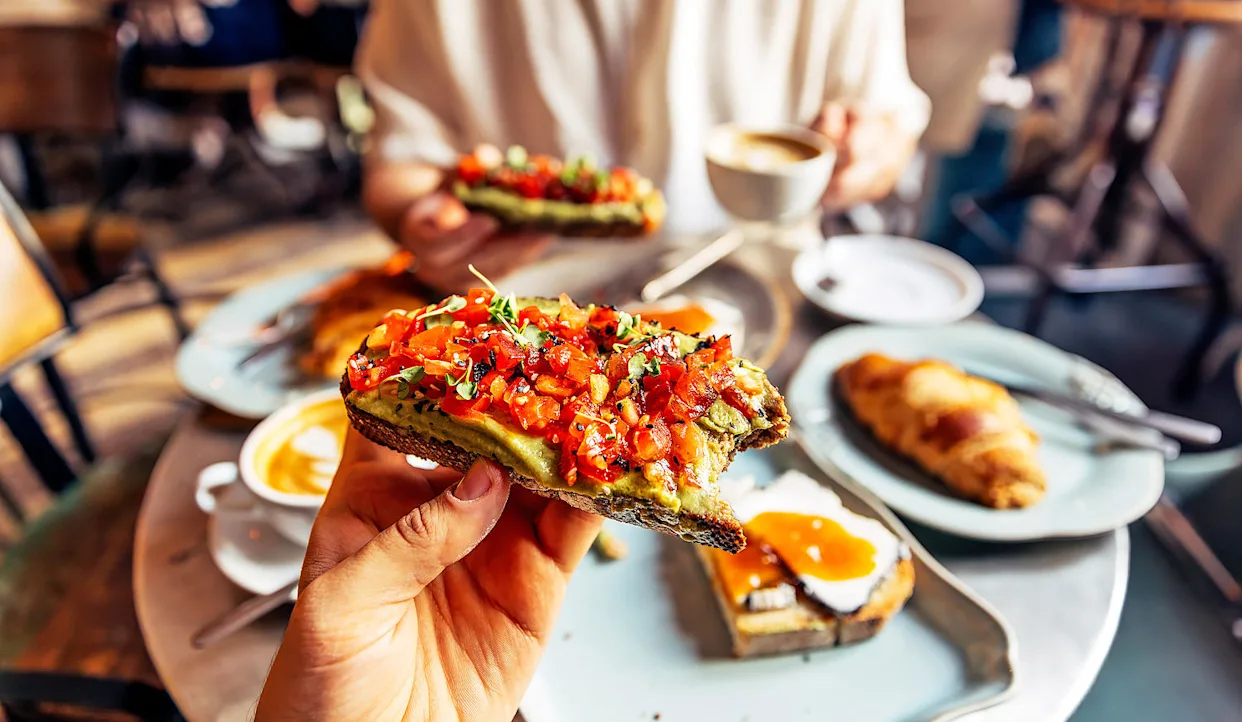 Who doesn’t like being treated to free food on their birthdays and holidays, especially when it comes with no strings attached? Every year, brands spend a tidy sum promoting top-of-the-line products to keep their customers happy and interested. As a result, there’s often overwhelming confusion about where to order or dine.
This blog curates the finest types of foodie freebies to consider when you head out next time. It also digs into the psychology of buyers and why such promotions are highly effective.
Why “No Strings Attached” and Free Food Works
Free food can sometimes be better than value deals and discounts. Fulfillment in the food and beverage industry is instant and sensory. These promos succeed by offering immediate gratification without friction, making people feel valued without demanding anything upfront.
Many such mechanisms work on perceived generosity. Whether it’s a free drink, discovering the best food in changi airport, or access to a digital slot game, these perks create a sense of added value for the customer., the logic is the same—reduce resistance, boost engagement, and build loyalty. Gym trial passes, freemium apps, and online casino promotions that do not require a deposit are all no-commitment strategies.
Types of Food Deals and Offers That Are Worth It
With unlimited discounts, specials, and incentives available at every corner, choice overload can become a headache. It usually causes decision fatigue, and customers end up ordering their usual favorite dish.
Here are some promotions that are as trusty and worthwhile as your go-to takeout menu choice:
1. Seasonal and Event-Based Freebies
The best sort of food is celebratory. What if there were a discount for every holiday name you could think of? Pick any random event on the calendar, and you’ll find a label giving you gifts tied to its time-sensitive existence. Occasions or seasonal events, such as celebrations or commemorations, are marked by valuing customers.
In early May 2025, Chipotle shared 2 million burritos (yes, you heard that right!) with teachers and healthcare staff. The restaurant chain invited professionals across the country to register and be included in the honoring of “Teacher Appreciation Week” and “National Nurses Week.” Krispy Kreme fuels chatter and brand excitement annually by providing free-themed eats on days like Halloween or National Doughnut Day.
2. Premiums and Non-Monetary Incentives
From welcome promotions to personalized premium subscriptions, buyers love it when they’re the apple of their favorite food brand’s eye. They’re likely not to abandon their cart if they go for that coupon purchase or the “first time’s free” option. Surprise upgrades and free trials are excellent ways to get familiar with the taste and quality of a brand.
As one of history’s most iconic marketing campaigns, McDonald’s “Happy Meal” idea has accumulated $80 billion in sales since its launch four decades ago. Including a little toy with every kid’s meal enabled them to successfully reach their target family demographic and attract lifelong customers from the young ages of two to three.
3. Limited-Edition Products
After a while, established brands can no longer distinguish themselves through their flavors. Food that incites, intrigues, or evokes feelings such as nostalgia or FOMO (fear of missing out) is the best tool to retain customers. Starbucks’ $5 rainbow and neon-flavored Unicorn Frappuccino was a hit in 2017 across social media handles.
Chipotle’s “Summer of Extras” program, which will continue until August 31, 2025, rewards its subscribers with points, sweepstakes, and badges. Apart from the chance of winning a free burrito supply for a whole year, the fun will renew each month. Customers can have two fresh opportunities to earn even more Chipotle Rewards and deals. In this 3-month summer drive, Chipotle will hand out a total of 1 million burritos to 10,000 randomly chosen subscribers.
4. Flash Sales, BOGOs, and Combos
Buyers might assume a brand is low-grade if they repeatedly see a red-colored “50% OFF” sign in front of a food business. Therefore, price-based promotional tactics are not the top choice on our list. But discounts have been around forever and will remain so. They are a staple in any menu card:
- Flash sales: Food delivery apps award 60–80% discounts during peak sports seasons. Time-limited, price-sensitive drops for select items on the menu encourage customers to rush and make a decision, and they usually do.
- “Buy one, get one free” offers: In BOGO deals, purchasers expect to get more than they had in mind. Dunkin’ earns likeability points by providing customers with an additional free drink with their beverage, which they can claim at the moment or save for later.
- Combos: Combining dishes is one of the easiest ways to reel in buyers. Brands merge low- and high-performing items, fast foods with cold drinks, dishes that go well together, and so on to create an illusion of affordability and satisfaction.
Spot the Difference Between a Freebie and a Gimmick
Food photographers and food dressers are highly specialized and in-demand careers now. These professionals know that cooking a burger patty at the standard 160°F is wrong to get the perfect promo shot. A hair curler, instead of a grill, is used to deliver more visually appealing grill marks. The goal is to share irresistible yet inedible food. However, can you tell the difference?
The most distinct trait of a genuine freebie is its trustworthy qualities. A rated brand or the local coffee shop gifting a free birthday cup without any purchase is not rage bait. It is rewarding and enhances the experience. Marketing gimmicks aim to grab your attention, make you hop through hurdles, and sometimes even ask to share your data without any tangible returns.