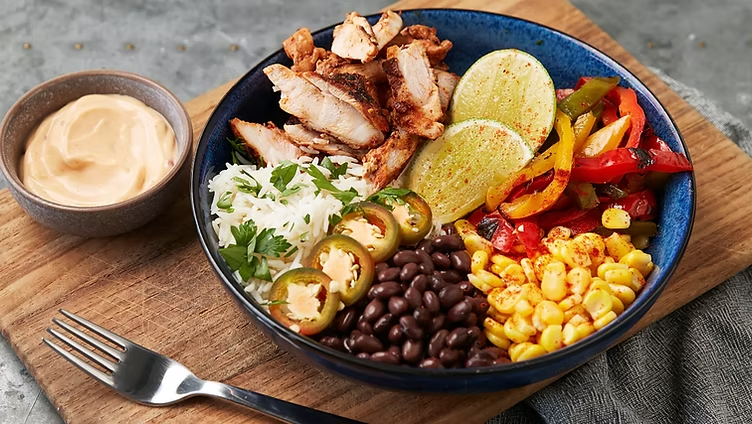

Adding Smoky Flavour to Your Cooking Without a Smoker
There’s something irresistible about smoky flavour. It’s the taste of a backyard barbecue, slow-cooked brisket, charred vegetables and campfire cooking. It adds depth to everything from soups and stews to salads and cocktails. But not everyone has the space, time or inclination to invest in a smoker, and firing one up for a weeknight dinner isn’t exactly practical.
Fortunately, you don’t need specialised equipment to bring a hint of smoke to your cooking. With a few clever ingredients and techniques, you can add that rich, savoury depth to everyday meals. A sprinkle of smokey salt is one of the easiest ways to start, but there are plenty of other pantry staples and cooking methods that can help you achieve smoky results at home.
Smoked salt and spices
Smoked salt is a simple, versatile way to add smoky flavour. It’s made by slowly smoking salt over wood, which infuses it with a rich aroma. Different woods, such as hickory, applewood or mesquite, produce different flavours, from sweet and mild to bold and intense.
Use smoked salt as a finishing salt, sprinkling it over grilled meats, roasted vegetables, eggs, avocado toast or even chocolate desserts. It also works well in rubs, marinades and dressings. Because its flavour is strong, a little goes a long way.
Smoked paprika is another pantry essential. It adds colour and a gentle smoky warmth to stews, soups, roasted potatoes, chicken and seafood. Chipotle powder, made from smoked, dried jalapeño peppers, brings both smoke and heat, making it a great addition to sauces, beans and chilli.
Ground cumin, while not smoked, has an earthy, warm flavour that complements smoky ingredients beautifully.
Ingredients with natural smokiness
Several ingredients naturally carry smoky notes. Chipotle peppers in adobo sauce are a favourite in Mexican cooking and can add depth to marinades, salsas, soups and dressings. Use them sparingly at first, as they can be quite spicy.
Smoked meats and fish, such as bacon, pancetta, smoked ham hock and smoked salmon, can infuse dishes with flavour. A little bacon or pancetta in a soup or pasta sauce adds instant savoury smokiness.
Smoked cheeses, such as smoked cheddar, mozzarella or gouda, are another easy option. Grate them over pasta, add them to toasties or use them in gratins and bakes.
Lapsang souchong tea, a Chinese black tea smoked over pine wood, can be used to add a subtle smoky flavour to broths, marinades and even desserts. Steep it and use the liquid in cooking, or grind the leaves and add them to rubs.
Cooking techniques that add smoke
Even without a smoker, you can create smoky flavours through cooking methods.
Charring is one of the simplest. Cooking vegetables, meat or fruit over high heat until slightly blackened creates complex, smoky flavours. Use a barbecue, chargrill pan or even the open flame of a gas stove to char capsicums, eggplants, corn, onions and tomatoes.
Grilling over charcoal adds more smokiness than gas, but both can produce delicious results. For extra flavour on a gas barbecue, you can use a smoker box filled with soaked wood chips.
Stovetop smoking is another option. With a wok or deep pan, foil and a small amount of wood chips or a tea, rice and sugar mixture, you can create a makeshift smoker indoors. It works well for fish, chicken and tofu, but make sure your kitchen is well-ventilated.
Roasting at high temperatures can also deepen flavours and create caramelised, slightly charred edges that hint at smokiness.
Ideas for everyday meals
Once you start experimenting, you’ll find plenty of ways to add smoky notes to your cooking. Sprinkle smoked salt over a simple tomato salad or grilled corn. Add smoked paprika to scrambled eggs or roasted chickpeas. Stir chipotle into mayonnaise for a smoky burger sauce. Toss charred vegetables through pasta or grain salads.
Smoky flavours also work surprisingly well in sweet dishes. A pinch of smoked salt on caramel, chocolate brownies or grilled peaches creates a delicious contrast.
A little goes a long way
The key to cooking with smoky flavours is balance. Too much smoke can overpower a dish and become bitter. Start with small amounts, taste as you go and adjust to suit your preferences.
With smoked salts, spices, naturally smoky ingredients and a few clever cooking techniques, you can bring the flavour of a backyard barbecue to your kitchen any night of the week, no smoker required.